Heat Exhaustion: Key Signs and Symptoms to Look Out for Amid Red Weather Alert
As parts of the UK experience extreme temperatures and red weather alerts, it is vital that employers, care providers, schools, hospitality teams, construction businesses, community services and the wider public understand the signs of heat exhaustion and know what to do before it becomes a life-threatening emergency.
At Essential 6, we deliver professional first aid training courses UK wide, helping organisations prepare their staff to respond confidently when someone becomes unwell at work, in care, in public-facing environments, or during outdoor activities. Heat related illness is one of those situations where early recognition and fast action can make a real difference.
Heat exhaustion can affect anyone, but during periods of extreme heat, the risk increases significantly particularly for vulnerable people, outdoor workers, older adults, young children, people with health conditions, and those working in hot environments or wearing heavy clothing or PPE.
What Is Heat Exhaustion?
Heat exhaustion happens when the body becomes too hot and starts to struggle to cool itself down. Normally, the body controls temperature by sweating and increasing blood flow to the skin. However, during very hot weather, high humidity, strenuous work, dehydration or prolonged exposure to heat, this cooling system can become overwhelmed.
Heat exhaustion is a warning sign. It means the body is under heat stress, but it can often be reversed if the person is moved somewhere cooler, rested, hydrated and cooled down quickly.
The concern is that heat exhaustion can develop into heatstroke. Heatstroke is far more serious and should be treated as a medical emergency.
Why Heat Illness Matters During a Red Weather Alert
A red weather alert for extreme heat means the risk is no longer limited to those who are usually considered vulnerable. Severe heat can affect healthy people too, especially if they are active, working, travelling, caring for others, or unable to cool down properly.
For businesses and organisations, this is not just a comfort issue. It is a health, safety and welfare issue.
Employers should be thinking about:
- Staff working outdoors
- Staff working in kitchens, warehouses, vehicles or poorly ventilated areas
- Employees wearing PPE, uniforms or heavy workwear
- Lone workers and mobile workers
- Care staff supporting vulnerable people
- Schools, nurseries and childcare settings
- Event teams, sports clubs and public-facing services
- First aid arrangements and emergency response procedures
Great, engaging and immersive first aid training helps staff recognise when someone is becoming unwell, take appropriate action, escalate concerns and know when to call emergency services.
A Brief History: Why the UK Is Taking Heat More Seriously
The UK has experienced serious heatwaves before, including the long hot summer of 1976 and the record-breaking temperatures seen in 2022. However, extreme heat is becoming a more regular operational risk for UK organisations.
Historically, many UK workplaces were designed to manage cold and wet weather more than prolonged extreme heat. This means some buildings, care settings, schools and workplaces may become difficult to keep cool when temperatures rise sharply.
That is why heat related illness should be included within workplace risk assessments, first aid planning, business continuity arrangements, and staff training.
How Heat Exhaustion Occurs
Heat exhaustion can occur when the body loses too much fluid and salt through sweating, or when it cannot cool down effectively.
Common causes include:
- Prolonged exposure to hot weather
- Working or exercising in the heat
- Not drinking enough fluids
- Wearing heavy clothing, uniforms or PPE
- Working in direct sunlight
- Poor ventilation indoors
- High humidity
- Alcohol consumption
- Certain medications
- Existing health conditions
- Lack of rest breaks
- Strenuous physical activity
In workplace settings, heat exhaustion can develop gradually. A person may initially appear tired, quiet, irritable or less coordinated before obvious symptoms appear.
Key Signs and Symptoms of Heat Exhaustion
The signs and symptoms of heat exhaustion can include:
- Tiredness or weakness
- Dizziness or feeling faint
- Headache
- Feeling sick or being sick
- Excessive sweating
- Pale, clammy skin
- Muscle cramps in the arms, legs or stomach
- Feeling very thirsty
- Fast breathing
- Fast pulse
- High temperature
- Irritability or unusual behaviour
- Reduced concentration
- Confusion or disorientation
It is important to remember that changes in skin colour may be harder to see on darker skin tones, so first aiders should not rely on colour alone. Behaviour, temperature, sweating, breathing, pulse, weakness, dizziness and overall presentation are all important.
Heat Exhaustion or Heatstroke: What Is the Difference?
Heat exhaustion is serious, but it usually improves when the person is cooled down quickly.
Heatstroke is a medical emergency.
A person may be developing heatstroke if they:
- Are still unwell after 30 minutes of cooling
- Have a very high temperature
- Are confused or not responding normally
- Have a seizure
- Lose consciousness
- Stop sweating even though they are very hot
- Have hot, dry skin
- Have rapid breathing or shortness of breath
- Become severely drowsy or difficult to wake
- Collapse
If heatstroke is suspected, call 999 immediately.
Who Is Most Vulnerable During Extreme Heat?
Although anyone can be affected by heat exhaustion, some people are at greater risk.
Vulnerable groups include:
- Older adults, especially those over 75
- Babies and young children
- Pregnant women
- People with heart, lung, kidney or neurological conditions
- People with diabetes
- People with dementia or reduced mental capacity
- People taking certain medications
- People who are unable to keep themselves cool
- People who live alone
- People experiencing homelessness
- Outdoor workers
- Manual workers
- People wearing PPE or heavy uniforms
- People exercising or playing sport in hot weather
- Care home residents
- People with limited mobility
- People who are socially isolated
Care providers, schools, community services and employers should have clear plans for identifying and supporting people who may be more vulnerable during periods of extreme heat.
First Aid Actions for Heat Exhaustion
If you suspect someone has heat exhaustion, act quickly.
1. Move them to a cooler place
Move the person out of direct sunlight and into a shaded, cool or air-conditioned area. If indoors, improve ventilation where possible.
2. Get them to rest
Encourage the person to stop activity immediately. Sit or lie them down and reassure them.
3. Remove unnecessary clothing
Loosen or remove outer clothing, PPE or heavy layers where appropriate and safe to do so.
4. Cool them down
Use active cooling methods such as:
- Cool water on the skin
- Cool wet towels
- Fanning
- Cold packs wrapped in cloth and placed around the neck, armpits or groin
- Moving them to an air-conditioned room
- Spraying or sponging with cool water
Do not use ice cold baths unless directed by medical professionals or trained responders within an appropriate setting.
5. Give fluids if they are fully alert
If the person is awake, alert and able to swallow safely, encourage them to sip cool water or an oral rehydration drink.
Do not give them alcohol.
6. Monitor closely
Stay with the person. Monitor their level of response, breathing, temperature, symptoms and whether they are improving.
The person should start to feel better within around 30 minutes of cooling.
When Should You Call Emergency Services?
Call 999 immediately if:
- The person does not improve after 30 minutes of cooling
- You suspect heatstroke
- They become confused, agitated or disorientated
- They have a seizure
- They lose consciousness
- They are very drowsy or difficult to wake
- They have hot, dry skin and are not sweating
- They have severe breathing difficulty
- They collapse
- You are seriously concerned about their condition
Call NHS 111 if the person has symptoms of heat exhaustion and you are struggling to manage them, need further advice, or are unsure what to do.
In an emergency, do not delay. Continue cooling the person while waiting for help to arrive.
What Employers Should Be Doing During Extreme Heat
Organisations have a responsibility to protect the health, safety and welfare of their staff and those they support.
During a red heat alert, employers should consider:
- Reviewing risk assessments
- Increasing rest breaks
- Providing drinking water
- Reducing strenuous activity during peak heat
- Moving work to cooler times of the day where possible
- Providing shaded rest areas
- Improving ventilation
- Checking on lone workers
- Supporting vulnerable employees
- Reviewing PPE requirements and heat stress risk
- Briefing staff on signs and symptoms of heat exhaustion
- Ensuring first aiders are available and confident
- Reviewing emergency procedures
- Checking welfare arrangements for staff working remotely, outdoors or in vehicles
For care services, schools and community organisations, this should also include checking on vulnerable people, monitoring hydration, reviewing room temperatures and escalating concerns early.
How Essential 6 First Aid Training Helps Organisations Prepare
At Essential 6, our first aid training is designed to be practical, engaging and relevant to real workplace situations. We do not just teach people to pass a course we prepare them to respond with confidence when it matters.
Our UK-wide first aid training courses help organisations ensure staff can:
- Recognise when someone is seriously unwell
- Provide immediate first aid
- Manage heat exhaustion and suspected heatstroke
- Monitor a casualty’s condition
- Escalate appropriately
- Call emergency services when required
- Communicate clearly during an incident
- Support vulnerable people safely
- Respond calmly under pressure
We deliver a range of first aid courses for workplaces, care services, schools, public sector organisations, hospitality, construction, manufacturing and community settings.
These include:
- Emergency First Aid at Work
- First Aid at Work
- First Aid at Work Requalification
- Outdoor First Aid
- Annual First Aid Skills Updates
- Paediatric First Aid
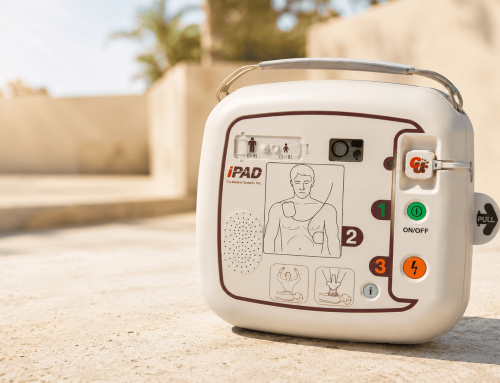
- Basic Life Support and AED
- Bespoke workplace first aid training
- Scenario simulation based first aid training and practical response sessions
Our training is face-to-face, hands on and built around real situations that staff may encounter in the workplace.
Heat Exhaustion: A Practical Reminder
Heat exhaustion can happen quickly, but it can also build gradually. The earlier it is recognised, the better the outcome is likely to be.
During extreme heat, look out for colleagues, family members, service users, residents, pupils, customers and anyone who may be struggling.
Remember the key actions:
Move them somewhere cool.
Get them to rest.
Remove unnecessary clothing.
Cool them down.
Give fluids if they are alert and able to drink.
Monitor them closely.
Call 999 if they do not improve or if heatstroke is suspected.
Prepare Your Organisation with Essential 6
Extreme weather is becoming a more important part of workplace safety planning. Having trained first aiders, clear procedures and confident staff will make a vital difference.
Essential 6 delivers professional first aid training courses UK wide, helping organisations meet their responsibilities and prepare your teams for real emergencies.
If your organisation would like to review its first aid training, update staff confidence, or arrange practical workplace first aid training, contact Essential 6 today on 01803 26 66 66 or email us info@essential6.co.uk.
Essential 6 – practical, engaging and professional training that prepares people to respond when it matters most.