As winter approaches, colder temperatures, darker days, and unpredictable weather create additional challenges for workplaces across the UK. From outdoor environments to warehouses, care settings, offices, and sites with frequent vehicle or foot traffic, cold weather can significantly increase risks to worker health and safety.
The good news is that these risks are well understood and, with the right planning, entirely manageable. Guidance from the Health and Safety Executive (HSE) highlights practical steps employers can take to protect workers, maintain safe working conditions, and reduce the likelihood of accidents during periods of low temperature.
Why Cold Weather Increases Workplace Risk
Cold conditions affect both people and environments. Lower temperatures can reduce circulation, slow reaction times, and impact concentration. Cold hands may struggle with grip and fine motor control, while bulky winter clothing can restrict movement or visibility. Over time, exposure to cold can also contribute to fatigue and cold stress.
At the same time, winter weather creates environmental hazards. Ice, frost, rain, and snow increase the likelihood of slippery surfaces, uneven walkways, and reduced lighting particularly during shorter daylight hours. These conditions dramatically increase the risk of slips, trips, and falls.
Slips and trips are responsible for over a third of all major workplace injuries and can lead to serious consequences, including fractures, head injuries, falls from height, or secondary incidents involving machinery or vehicles. Winter simply amplifies risks that already exist.
What the Law Says About Workplace Temperature
UK legislation does not define a single “safe” temperature for work. Instead, the law requires employers to ensure that workplace conditions are reasonable and do not place workers at risk.
For indoor work, temperatures are normally expected to be at least 16°C, or 13°C where work involves significant physical effort. However, in environments where this is not achievable—such as outdoor work, refrigerated areas, or temporary structures employers must assess the risks and introduce appropriate controls.
This risk-based approach places responsibility on employers to identify hazards, consider who may be affected, and take sensible action to reduce harm.
Assessing Cold Weather Risks Effectively
A cold weather risk assessment does not need to be complex, but it must be thoughtful. Employers should consider:
- Duration of exposure to cold
- Whether workers are stationary or physically active and also if the worker has any pre existing medical conditions
- Exposure to wind, damp conditions, or rain
- Tasks requiring precision, grip, or sustained focus
- Increased slip and trip risks on routes, steps, and entrances
- Individual vulnerabilities such as health conditions or age
Using a workplace temperature checklist can help structure this process and ensure seasonal hazards are not overlooked. Importantly, risk assessments should be reviewed as conditions change not just completed once and forgotten.
Practical Controls to Protect Workers
Once risks are identified, proportionate controls should be introduced. These often include a combination of:
Environmental controls
- Providing heating where possible
- Reducing draughts and exposure to wind
- Improving lighting during darker months
Work organisation
- Rotating tasks to limit prolonged cold exposure
- Scheduling outdoor or cold tasks during warmer periods of the day
- Introducing additional breaks in warm areas
Personal protective equipment
- Weather-appropriate, insulated clothing
- Gloves that provide warmth without compromising dexterity
- Slip-resistant footwear suitable for icy or wet conditions
Workers should also be encouraged to change out of wet clothing promptly and to report cold related concerns early.
Preventing Slips, Trips and Falls This Winter
Slip and trip prevention is one of the most effective ways to reduce winter injuries. Key controls include:
- Regular inspection and gritting of external walkways
- Prompt removal of snow, ice, and standing water
- Clear housekeeping to remove clutter and trailing cables
- Effective entrance matting to manage wet floors
- Adequate signage and lighting
Inside buildings, wet floors caused by rain or snow being tracked in should be managed proactively to prevent avoidable accidents.
Why First Aid Training Is Critical in Winter
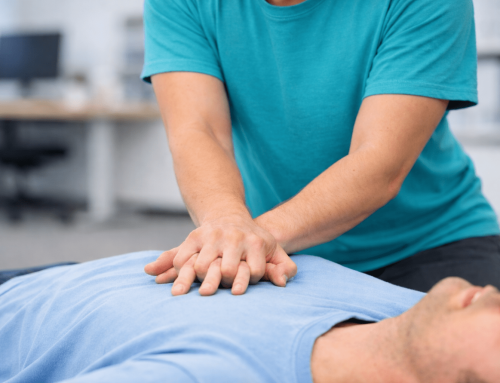
Despite strong preventative measures, incidents can still happen especially during winter. When they do, effective first aid response by a well trained and confident team is essential.
Slips and falls can result in fractures, head injuries, shock, or bleeding. Cold conditions can worsen the impact of injuries and slow recovery. This makes trained workplace first aiders a vital part of winter safety planning.
Ensuring you have appropriate first aid training in place means:
- Injuries and conditions such as hypothermic casualties can be recognised early, treated quickly and correctly
- Complications can be reduced while waiting for emergency services
- Staff feel safer and more supported at work
- Legal first aid requirements are met
Winter is an ideal time to review your first aid provision/equipment and ensure it reflects seasonal risks. This includes having enough trained first aiders for all shifts and ensuring staff know how to access help quickly.
How Essential 6 Can Help
Essential 6 supports organisations across the UK with practical, compliant, and confidence-building health and safety solutions.
We can help with:
- Workplace risk assessments, including cold weather and seasonal hazards
- Health and safety advice, tailored to your working environment
- First aid training, ensuring staff are prepared to respond to winter-related injuries and emergencies
Our first aid and safety training courses are designed to be practical, relevant, and easy to apply in real workplace situations. They support compliance while helping organisations build a strong, proactive safety culture.
Taking action now to manage cold weather risks, strengthen slip and trip prevention, and ensure robust first aid provision protects your workforce and demonstrates a genuine commitment to wellbeing when it matters most.
If you would like support with risk assessments, first aid training, or wider health and safety advice this winter, Essential 6 is here to help and you can contact us on 01803 26 66 66 or send us an email info@essential6.co.uk.